The Shift from Display to Experience
Heritage sites worldwide face a paradox: the visitors they need to survive are also the force that threatens to diminish what makes them remarkable. A medieval cathedral cannot become a theme park, yet it cannot survive on reverence alone.
The answer lies not in choosing between preservation and access, but in reframing the relationship entirely. Immersive experience design offers a third path — one where light, sound, and spatial narrative transform passive observation into active emotional connection.
Over 15 years and 55+ international projects, we have watched this shift accelerate. The institutions that thrive are not the ones with the biggest budgets or the most famous collections. They are the ones willing to let their spaces speak in new ways.
Light as a Narrative Medium
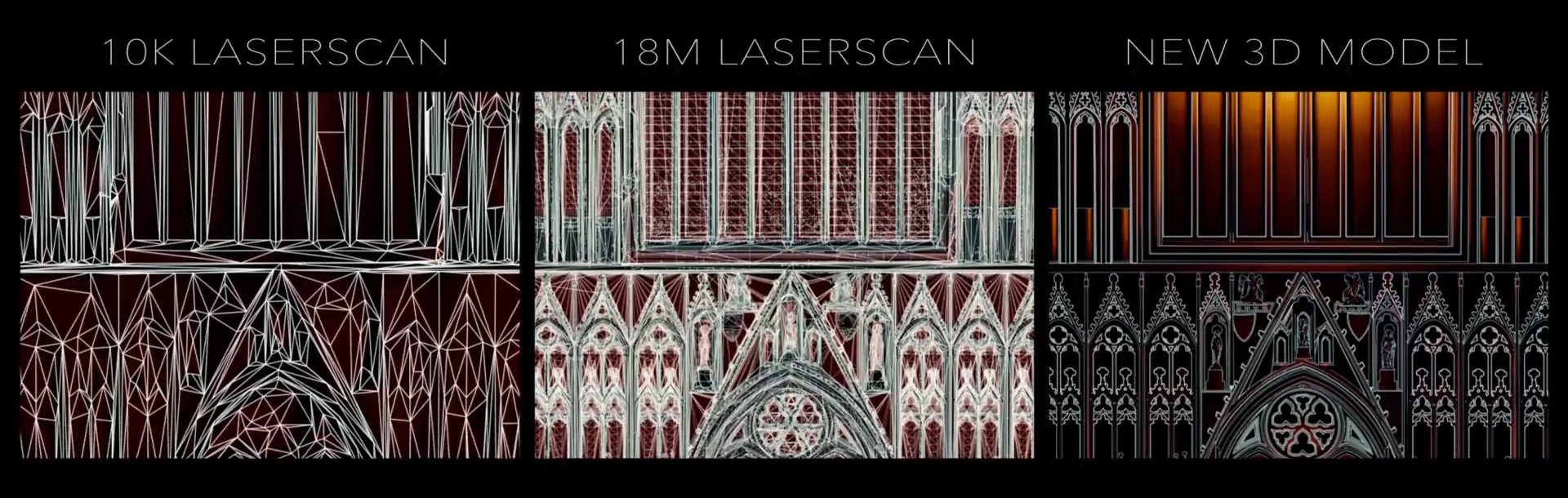
At York Minster Cathedral, we discovered that projection mapping is not about spectacle — it is about revealing what is already there. The 65-metre nave vault became a canvas not for images, but for stories that had lived in the stone for 800 years.
The key insight was restraint. Rather than overwhelming the architecture with technology, we designed light to follow the logic of the building itself — the ribbed vaulting became visual pathways, the stained glass windows became narrative punctuation marks.
The result was not a light show. It was a conversation between medieval craft and contemporary storytelling, one that raised £1.4 million for cathedral restoration in a single evening.
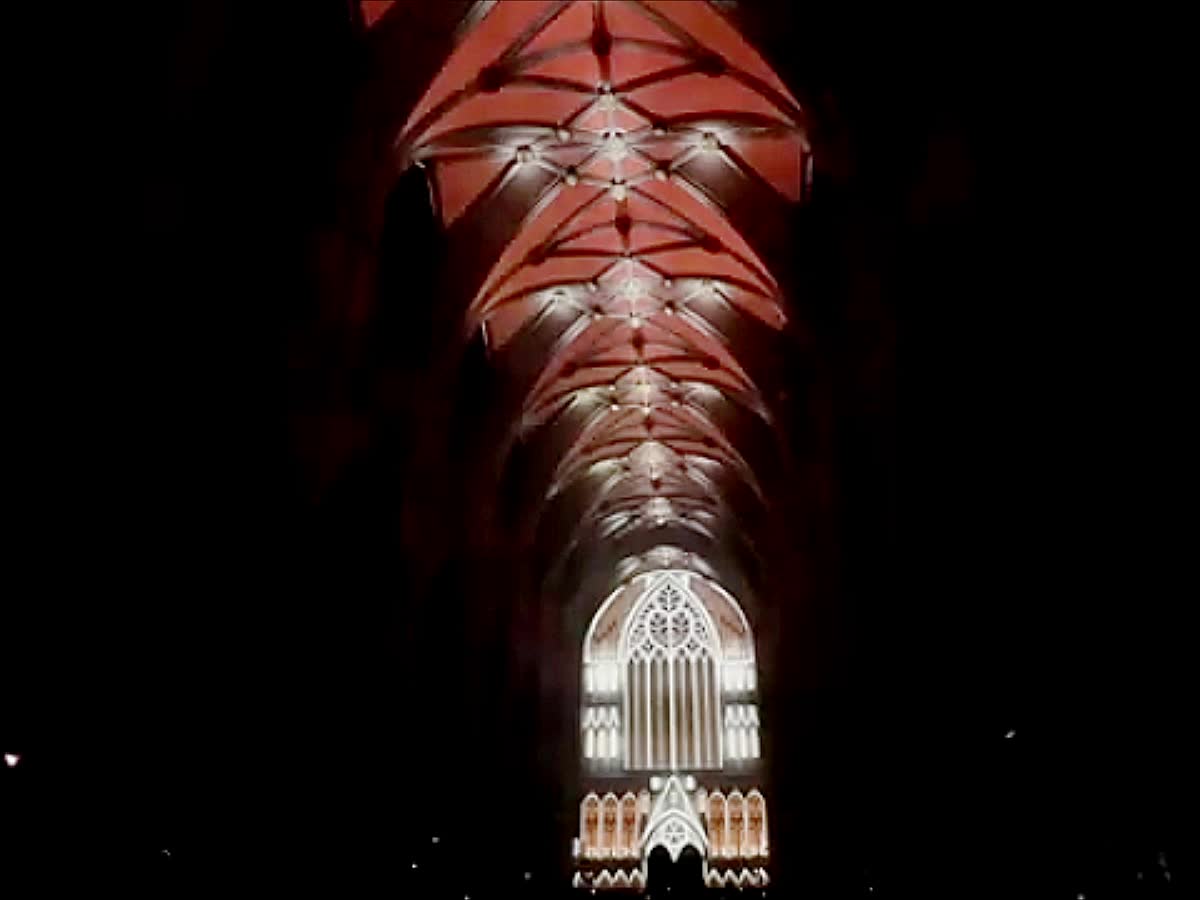
£1.4M raised for cathedral restoration through immersive visitor engagement
Beyond the Western Canon
Heritage is not a Western concept, though the tools and frameworks for preserving it often carry Western assumptions. At the Konark Sun Temple in India — a UNESCO World Heritage Site — we confronted this directly.
The temple's carved stone wheels are not decorative elements. They are astronomical instruments, narrative devices, and spiritual interfaces simultaneously. Any immersive interpretation that treated them as merely visual would miss the point entirely.
Working with local historians and cultural practitioners, we developed an approach that privileged indigenous knowledge systems alongside contemporary technology. The projection and sound design did not explain the temple to visitors — it helped visitors experience the temple's own logic.
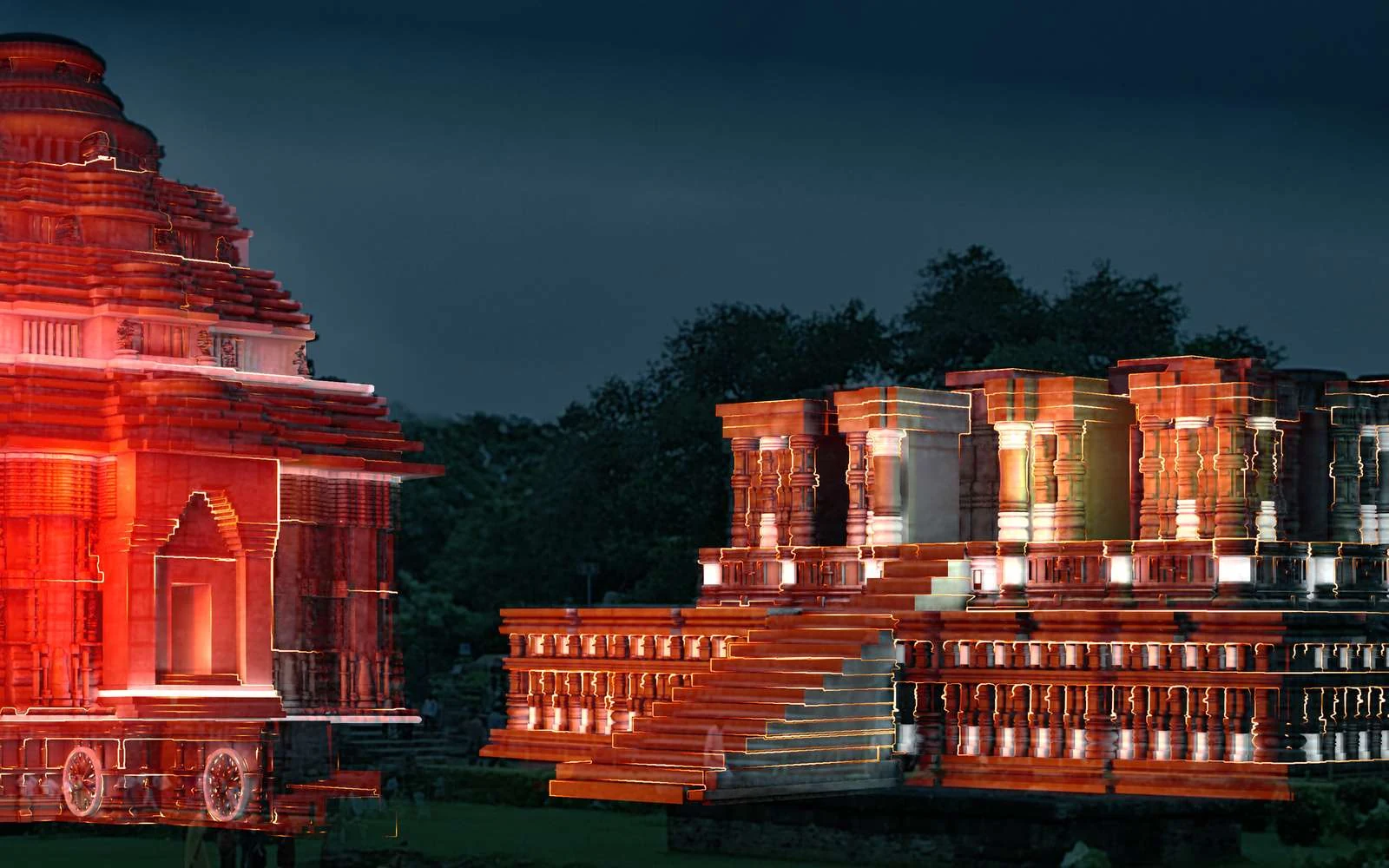
UNESCO 30th anniversary commission — interpreting 800 years of heritage through spatial narrative
The Institutional Challenge
The greatest barrier to immersive heritage is rarely technical. It is institutional. Governance structures, funding cycles, and stakeholder politics create friction that no amount of creative excellence can overcome alone.
This is why we embed creative direction within institutional frameworks rather than operating outside them. At York Minster, a six-year partnership across three commissions was possible because we understood the Chapter's governance structure, the fundraising calendar, and the conservation protocols.
The lesson is transferable: immersive experience design at heritage scale requires institutional fluency as much as creative vision.